Explore the Essential Guide to Rugmaking Techniques for 2026
As we step into 2026, the art of rugmaking continues to evolve, blending traditional craftsmanship with modern innovation. This essential guide will explore various techniques that both novice and seasoned rugmakers can utilise to create stunning pieces of art for their homes.
Understanding the Basics of Rugmaking
Before diving into advanced techniques, it is crucial to understand the fundamental aspects of rugmaking. At its core, rugmaking involves the process of creating a textile floor covering by weaving, knotting or tufting different materials. Familiarity with various fibres such as wool, cotton, and synthetic options is vital, as each offers unique characteristics and visual appeal.
Knotted Rugs
One of the oldest and most revered techniques is knotting. This method involves tying individual knots to create intricate patterns and designs. The Persian knot and the Turkish knot are two common styles, each providing a different texture and density to the rug. Mastery of this technique requires patience and precision, but the end result is often a richly detailed piece that showcases the artisan's skill.
People Also Look For:
- Modern Crochet Rugs: 10 Stylish T-Shirt Yarn Patterns for Beginners and Home Décor: Step-by-Step Crochet Rug Projects Using Rec...
- WEBEEDY Moss Latch Hook Rug Kit for Adults, DIY Hooking Carpet with Yarn, Mesh, Instruction, Tools, Latch Hook Cushion Kit Crochet...
- Latch Hook Kits Rug Making Crafts for Adults, Home Carpet Rug Making Kit with Pre-Printed Pattern, Embroidery Kit for Beginner, Un...
- Kaxtde Latch Hook Rug Kits Crocheting Carpet Rug 4 Cats Acrylic Yarn Pre-Printed Canvas Cushion Mat Crochet Tapestry Hand Craft Em...
- Latch Hook Kits for Adults Rug, 52X38cm DIY Rug Making Kit for Adults Color Printed Latch Kits, Kids Latch Hook Rug Kit, Puppy Dog...
Tufted Rugs
Tufting has gained popularity in recent years due to its efficiency and the ability to create thick, plush rugs. This technique uses a tufting gun to punch yarn into a backing material, creating loops that can then be sheared or left uncut for a textured finish. With the right tools and a creative vision, tufted rugs can range from simple designs to elaborate artworks, making them a favourite among contemporary rugmakers.
Woven Rugs
Woven rugs represent another significant technique in rugmaking. This method involves interlacing threads to produce a flat surface. Weaving can be done on a loom or by hand, allowing for a variety of styles from simple to complex patterns. While traditional weaving often employs natural fibres, modern innovations have introduced synthetic materials that enhance durability and ease of maintenance.
Flatweave Rugs
Flatweave rugs are a subset of woven rugs, characterised by their lightweight and reversible nature. Techniques such as kilim and dhurrie weaving are widely recognised for their vibrant patterns and colours. These rugs are ideal for high-traffic areas due to their durability and ease of cleaning. In 2026, expect to see a surge in flatweave designs that incorporate bold geometric shapes and contemporary aesthetics.
Hooked Rugs
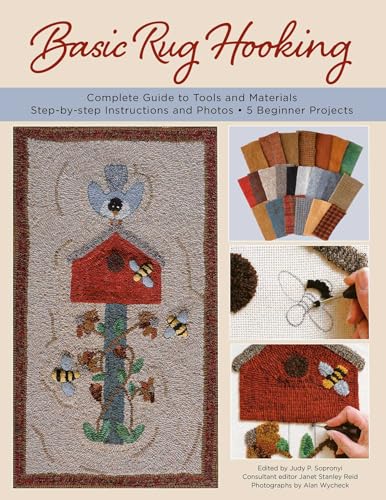
Hooked rugs have seen a renaissance in recent years, appealing to those who appreciate a tactile and artistic approach. This technique involves pulling loops of yarn through a backing using a hook, creating a textured surface that can be both functional and decorative. The versatility of hooked rugs allows for a vast array of designs, from traditional motifs to modern interpretations that reflect current trends.
Eco-Friendly Techniques
With sustainability at the forefront of many artisans’ minds, eco-friendly rugmaking techniques are emerging in 2026. Using recycled materials or sustainably sourced fibres, rugmakers are creating beautiful pieces that are kind to the planet. Techniques such as upcycling old textiles into new rugs not only reduce waste but also add unique character to each piece. This shift towards environmentally conscious practices is reshaping the rugmaking landscape.
Digital Design in Rugmaking
The integration of technology in rugmaking has opened new avenues for creativity. Digital design software allows artisans to experiment with colours and patterns before commencing the physical creation of the rug. This approach not only streamlines the design process but also enables rugmakers to cater to specific customer preferences with ease.