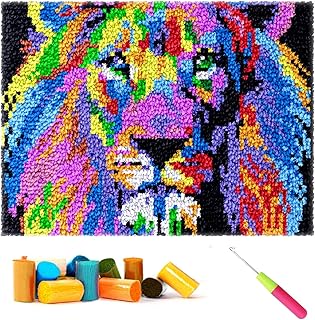
How to Incorporate EcoFriendly Practices into Your Rug Making
How to Incorporate Eco-Friendly Practices into Your Rug Making
Introduction
Rug making is a timeless art form that has been passed down through generations. However, in today's world where environmental concerns are at the forefront, it's important to incorporate eco-friendly practices into your rug making process. By making small changes to your techniques and materials, you can create beautiful rugs that are not only sustainable but also contribute to a healthier planet.
1. Choose Sustainable Materials
One of the first steps in creating eco-friendly rugs is to choose sustainable materials. Opt for natural fibers such as organic cotton, jute, hemp, or wool. These materials are biodegradable, renewable, and have a lower environmental impact compared to synthetic fibers. Additionally, look for materials that are produced using environmentally friendly processes and dyes.
People Also Look For:
- Latch Hook Rug Kits, DIY Latch Hook Rug, Home Carpet Rug Making Canvas Kits, DIY Crochet Kits Embroidery Kits Needlework Crafts fo...
- kitphoenix Latch Hook Kit for Adults 43x43 cm DIY Rug Making Kit,Includes Tapestry & Cushion Craft Supplies for Home Decoration,Be...
- Latch Hook Rug Kits, Home Carpet Rug Making Canvas Kits, DIY Crochet Kits Embroidery Kits Needlework Crafts for Home Decor, Latch ...
- DEXI Handwoven Jute Door Mat 60 x 90 cm, Natural Fiber Entryway Rug, Dirt Trapper Doormats for Indoor Outdoor Patio Garden, Brown
- Operitacx Wool Yarn Latch Hook Rug Kit 10 Rolls Handmade Craft Yarn for Rug Making
2. Use Non-Toxic Dyes
Traditional rug making often involves the use of synthetic dyes that contain harmful chemicals. To make your rugs more eco-friendly, consider using natural dyes made from plant-based sources such as indigo, turmeric, or madder root. These dyes are non-toxic, biodegradable, and create unique and vibrant colors that are gentle on the environment.
3. Reduce Waste
Another way to incorporate eco-friendly practices into your rug making is to reduce waste. Look for ways to repurpose leftover materials or scraps from previous projects. You can create patchwork rugs or smaller items such as coasters or placemats using these scraps. Additionally, consider donating excess materials to local schools or community centers for arts and crafts projects.
4. Embrace Sustainable Techniques
When it comes to rug making, there are several sustainable techniques you can incorporate into your process. For example, consider hand-weaving your rugs instead of using machines, as this reduces energy consumption and creates a unique, artisanal product. You can also explore traditional weaving techniques that have been used for centuries and have minimal impact on the environment.
By following these tips, you can create beautiful rugs that not only enhance your home but also contribute to a more sustainable planet. Embracing eco-friendly practices in your rug making is a small but significant step towards a greener future.