Unveiling the Best Rugmaking Techniques to Try in 2026
The art of rugmaking has evolved significantly over the years, blending traditional methods with contemporary innovations. As we step into 2026, enthusiasts and artisans alike are eager to explore the most effective techniques that will elevate their craftsmanship. This article delves into some of the best rugmaking techniques to try in the coming year, ensuring that your creations stand out in both beauty and durability.
Hand Knotting
Hand knotting remains one of the most revered techniques in the world of rugmaking. This time-honoured method involves tying individual knots to create intricate patterns and textures. In 2026, artisans are expected to experiment with various knotting techniques, including Persian and Turkish styles. The beauty of hand knotting lies in its ability to produce unique, one-of-a-kind rugs that showcase the skill and patience of the maker. Additionally, the use of natural dyes is gaining popularity, allowing artisans to create vibrant colour palettes that are both eco-friendly and visually stunning.
Tufting
Tufting has emerged as a popular choice for those seeking a quicker method of rug production without sacrificing quality. This technique involves using a tufting gun to insert yarn into a backing material, resulting in a plush and textured finish. In 2026, we anticipate a surge in tufting workshops across the UK, as both beginners and seasoned crafters embrace this accessible technique. With its ability to produce rugs in various styles and sizes, tufting offers endless creative possibilities. Furthermore, the incorporation of mixed media, such as combining yarn with fabric or leather, is set to make tufted rugs even more intriguing.
People Also Look For:
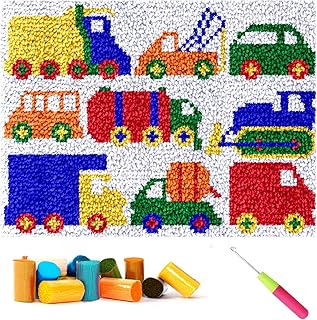
- ZFFLYH Latch Hook Kits DIY Throw Pillow Cover Sofa Cushion Cover Cushion Cover Embroidery Craft Kit for Adults And Beginners Patte...
- Gadpiparty 10 Rolls Carpet Embroidery Thread Set Hook Rug Yarn Latch Tapestry Latch Loop Rug Making Wool Tufted Rug Blanket Yarn f...
- CCWORAN Polar Bear Rug Making Kit for Adults Beginners DIY Craft Doormat Latch Hook Rug Kit Set Tapestry Cushion Knitting Patterns...
- ROCKY&CHAO Latch Hook Rug Kits, DIY Latch Hook Rug, Carpet Making Cushion, Crochet Kits Embroidery Kits Needlework Crafts for Home...
- EsLuker.ly Full Moon Owl Latch Hook Pillow Kit for Adults Beginners, DIY Throw Pillow Cushion Cover Making Set with Pre-Printed Ca...
Weaving
Weaving is a foundational technique in rugmaking that has stood the test of time. Whether using a loom or employing a more informal approach, weaving allows for the creation of durable and artistic rugs. In 2026, we expect to see a resurgence of interest in traditional hand-weaving methods, particularly those rooted in cultural heritage. Artisans may draw inspiration from various global weaving styles, incorporating elements from different cultures to produce unique pieces. Sustainability will also play a crucial role, as more weavers seek to use recycled materials and locally sourced fibres in their creations.
Shag Rugs
The shag rug trend is making a comeback, and in 2026, it is poised to dominate the rugmaking landscape. Known for their luxurious texture and comfort, shag rugs can be created using various techniques, including tufting and weaving. As artisans experiment with different yarn types and lengths, we can expect to see a delightful array of shag rugs that cater to diverse tastes. The versatility of shag rugs also allows for playful colour combinations and patterns, making them an excellent choice for modern interiors seeking a touch of warmth and character.
Rug Hooking
Rug hooking is another time-honoured technique that is experiencing a revival in 2026. This method involves pulling loops of yarn or fabric through a backing material, creating a textured surface. Ideal for those who enjoy working with recycled textiles, rug hooking encourages creativity and sustainability. As more people engage in this craft, we expect to see a variety of innovative designs that reflect personal stories and cultural influences. Workshops and online tutorials are anticipated to flourish, providing resources for both novices and experienced crafters to refine their skills.
Punch Needle
Punch needle rugmaking offers a unique twist on traditional techniques, allowing for the creation of intricate designs with relative ease. This method involves using a specialised tool to punch loops of yarn through a fabric backing, enabling crafters to work quickly while achieving detailed results. In 2026, the popularity of punch needle is expected to soar, with artisans exploring new patterns and incorporating mixed media elements into their work. The process is highly adaptable, making it suitable for projects ranging from small decorative pieces to large area rugs.